 (NASHVILLE,
July 13, 2005) The sit-in at Tennessee Governor Phil Bredesen's office
is stretching into a fourth week. Sit-ins have been used before in the
civil rights movement for people with disabilities some of the more
high-profile sit-ins are listed below: (NASHVILLE,
July 13, 2005) The sit-in at Tennessee Governor Phil Bredesen's office
is stretching into a fourth week. Sit-ins have been used before in the
civil rights movement for people with disabilities some of the more
high-profile sit-ins are listed below:
1935
The League for the Physically Handicapped (New York City) was formed to protest discrimination by the Works Progress Administration
(WPA). Three hundred League members were denied WPA jobs. The Home Relief Bureau of New York City stamped all applications with “PH” which stood for physically handicapped. Members of the League held a sit-in at the Home Relief Bureau for nine days and held a weekend sit-in at the WPA headquarters. These actions eventually led to the creation of 1500 jobs in New York City.
1972
Disabled in Action demonstrated in New York City protesting Nixon’s veto of the Rehabilitation Act. Led by Judy Heumann, eighty activists staged a sit-in on Madison Avenue (about 4 hours). A flood of letters and protest calls were made.
1977
A group of disabled people takes over the San Francisco offices of the Health, Education, and Welfare Department to protest Secretary Joseph Califano's refusal to sign meaningful regulations for Section 504. No one expected to live there for almost a month, but they did. The action became the longest sit-in of a federal building to date. The historic demonstrations were successful and the 504 regulations were finally signed.
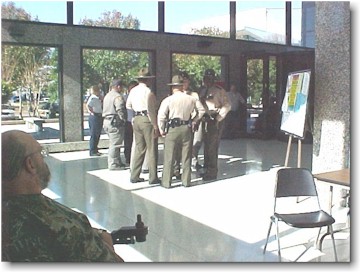 1978 1978
Disability rights activism in Denver stage a sit-in demonstration, blocking several Denver Regional Transit Authority buses, to protest the complete inaccessibility of that city’s mass transit system. The demonstration is organized by the Atlantis Community and is the first action in what will be a yearlong civil disobedience campaign to force the Denver Transit Authority to purchase wheelchair lift-equipped buses.
1998
National ADAPT activists take-over then Tennessee Governor Don
Sundquist's Memphis office. Filling the office with a hundred
protestors overnight, the city and county Mayors make statements of
support for more home and community-based services and less
institutional services.
2002
Colorado ADAPT vigil. From July 5 -18 about 20 Colorado ADAPT activists camped out in front of the Colorado Medicaid office to protest changes to the home-health rules. Negotiations with the
demonstrators actually resulted in millions of dollars of state Medicaid savings.
2003
Kansas ADAPT sets up a tent city for about a week demanding home and community-based services are not cut in the state budget. Legislative votes shift while the city elects a mayor and prepares for a long stay. Kansas does not approve the cuts.
- Tim Wheat
|