Governor’s Medicaid plan fails to offer real cost-savings
 (NASHVILLE, July 2, 2005) Nursing home care is a requirement of the Medicare program. Every US state asks the federal government to waive this Medicaid policy so that citizens may receive home and community based services to remain in their own home. Institutional care is the most expensive and least desirable form of long-term care, but Tennessee offers almost no alternatives to institutions. For every dollar Tennessee spends on alternatives to nursing homes, the state spends $149 on costly institutions. (NASHVILLE, July 2, 2005) Nursing home care is a requirement of the Medicare program. Every US state asks the federal government to waive this Medicaid policy so that citizens may receive home and community based services to remain in their own home. Institutional care is the most expensive and least desirable form of long-term care, but Tennessee offers almost no alternatives to institutions. For every dollar Tennessee spends on alternatives to nursing homes, the state spends $149 on costly institutions.
Tennessee is last in the nation in providing home and community long-term care services. Faced with few alternatives, many Tennesseans do without healthcare rather than live in a nursing home. The TennCare system is burdened with the huge cost of institutional services, while not providing cost-saving alternatives.
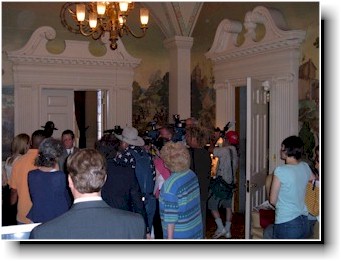
Activists have occupied the governor’s office day and night since June 20. The coalition of TennCare supporters is demanding that the governor stop the massive disqualification of citizens in need of healthcare, and openly discuss the issues. Governor Bredesen has refused to meet openly with the demonstrators; he has offered only closed-door meetings. TennCare is the Tennessee Medicaid program that offers additional healthcare coverage beyond the federal minimal requirements. Governor Bredesen’s “plan” is to return to the federal minimum, terminating healthcare to over 300 thousand citizens. Yesterday activists were pushed out of the office and into the adjacent hall.
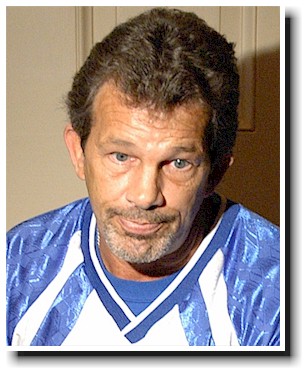 “We have always had someone in the room,” said Don DeVaul. “I was away at the bathroom when they strong-armed the door closed and refused to let anyone back in for the day.” “We have always had someone in the room,” said Don DeVaul. “I was away at the bathroom when they strong-armed the door closed and refused to let anyone back in for the day.”
The Nursing Home Industry and their powerful lobby work to keep a strong hold on the public funding. Although most nursing homes are for-profit, nearly 70% of their income is from government funds. This corporate welfare inflates the cost to taxpayers and weights TennCare down. To keep the nursing home lobby satisfied, the governor’s plan does not offer any cost-saving alternatives to institutionalization.
State governments across the US are replacing institutional services with home and community based alternatives that allow citizens to remain in their own homes. Typically home services cost a third of institutional care. Tennessee knows of 6,458 people currently incarcerated in nursing homes that wish to leave, but because the state has virtually no home support, they stay in expensive facilities costing the taxpayers more about $150 million.
Testimony this week in the Grier case shows that the governor’s plan, which ends healthcare coverage for 323,000 citizens, will
cost an additional $100 million dollars.
“The State Troopers here are watching DVD’s all night,” said Don DeVaul a TennCare enrollee outside the governor’s office.
News reports over the past week have said that the demonstration at the governor’s office is costing about $2,000 per day. The figure, however, is completely artificial; the protest is a peaceful, non-violent demonstration and organizers have not asked for additional security. The decision to spend money on security is completely Gov. Bredesen’s, and the choice not to meet the demands continues the demonstration.
“Why doesn’t Bredesen station National Guard jets overhead?” asked one supporter, “the way he wastes our tax money and spins public-relations, I expect to see a large marble statue of ‘Phil the Great’ out here next week.”
|